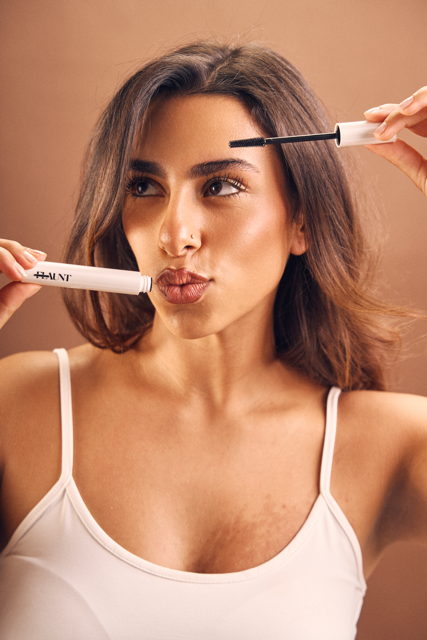
The North Coast Autumn Survival Guide: Long-Wearing Beauty for Coastal Shifts

Long-wearing cosmetics for North Coast autumn getaways are defined by their ability to withstand "micro-climate volatility"—the rapid oscillation between biting salt winds, humid coastal mist, and the dry heat of indoor fireplaces. To survive a weekend on the coast, a beauty routine must shift from static coverage to adaptive layers that lock in place without cracking under temperature stress.
The secret to coastal longevity isn't adding more product; it's choosing formulas that bond with the skin rather than sitting on top of it. When the wind hits 30 mph and the humidity spikes, traditional powders often turn into a mask, and creams can slide. The goal is a cohesive, weather-resistant finish that looks as fresh at a sunset bonfire as it did during a morning hike.
The Architecture of Coastal Longevity
Coastal longevity is the technical ability of a beauty routine to remain intact despite external environmental stressors like salinity, wind-chill, and fluctuating humidity. Unlike city wear, which battles pollution and sweat, North Coast autumn wear battles "surface erosion"—the process where wind and salt air physically strip moisture and product from the skin.
The Priming Paradox
Most people apply a primer to smooth the skin, but for a North Coast getaway, the primer must act as a moisture barrier. In autumn, the air is deceptive; it feels damp, but the salt air is actually desiccating. If you apply a long-wear foundation directly to dry skin, the skin will "drink" the moisture from the product, leaving the pigment to flake and settle into fine lines.
A glycerin-based or hydrating primer creates a buffer. This ensures that your long-wear products adhere to the primer, not the skin, preventing the "patchy" look that usually occurs by midday.
The Layering Logic: Cream-to-Powder Transition
The most durable beauty routines follow a specific sequence: hydrate, bond, set.
- Hydrate: A lightweight, non-greasy moisturizer.
- Bond: Long-wear creams or liquids that "set" (polymerize) as they dry.
- Set: A targeted application of translucent powder only in high-movement areas (T-zone, under-eyes).
Key Takeaway: Long-wearing coastal beauty relies on a moisture barrier to prevent the salt air from pulling hydration out of your products.
Weather-Proofing the Complexion
The North Coast in autumn is a battle of textures. You are dealing with the "dewy" look of the mist and the "matte" requirement of wind-blown hair sticking to your face. The solution is a strategic hybrid approach.
Selecting the Right Base
For a getaway, avoid heavy, full-coverage matte foundations. These often crack when you move from a cold beach to a heated cottage. Instead, opt for long-wear tinted moisturizers or serum-foundations. These formulas move with the skin.
To increase the longevity of a lighter base, mix in a drop of a long-wear setting agent. This transforms a breathable product into a resilient one without the cakey finish.
The Art of the Strategic Set
Powdering the entire face in a coastal environment is a mistake. The salt air will cling to the powder, creating a textured, "dusty" appearance. Instead, use a "point-set" method:
- The T-Zone: Lightly dust the forehead and nose to prevent oil breakthrough.
- The Eye Orbit: Set the concealer to prevent creasing during expressions of awe at the scenery.
- The Cheeks: Leave these unpowdered. Let the natural glow of the coastal air work with your cream blush for a wind-kissed look.
The Finishing Seal
A setting spray is not optional for North Coast trips; it is the sealant. Look for "film-forming" sprays. These contain polymers that create a microscopic, flexible shield over the beauty routine, protecting it from wind-driven moisture.
Key Takeaway: Use a flexible, serum-based foundation and point-set with powder to avoid the "mask effect" in humid salt air.
High-Impact, Low-Maintenance Accents
When you're exploring rocky cliffs or cozying up in a knit sweater, you want accents that stay put without requiring a mirror every two hours.
The Precision of the Eyeliner Stamp
In windy conditions, traditional winged liner can smudge or bleed if the eyes water from the breeze. An eyeliner stamp provides a concentrated, high-pigment application that adheres more firmly to the skin than a freehand stroke.
Because the stamp delivers a precise amount of product in a single press, you avoid the buildup of excess product that typically slides when exposed to humidity. Once the stamp is set, it acts as an anchor for the rest of the eye look.
The "Stain" Strategy for Lips and Cheeks
Lipsticks are high-maintenance on the coast; they smudge on coffee cups and fade under wind. The alternative is the lip and cheek stain.
Stains penetrate the upper layers of the skin rather than sitting on top. This means the color remains even after a windy walk or a meal. For autumn, deep berries, burnt oranges, and muted roses mimic the natural flush of the cold air while providing 12+ hours of wear.
Brow Anchoring
Brows are the frame of the face, but they are also the first thing to collapse in the mist. A clear, long-wear brow gel with a "strong hold" rating is essential. It locks the hairs in place, preventing them from drooping or becoming unruly in the North Coast humidity.
Key Takeaway: Switch to stamps and stains—products that bond with the skin—to eliminate the need for constant touch-ups.
The North Coast Beauty Kit: A Decision Tree
When packing for a getaway, space is limited. Use this framework to decide what makes the cut:
Do I need high coverage?
- Yes $\rightarrow$ Long-wear serum foundation + Point-setting powder.
- No $\rightarrow$ Tinted moisturizer + Long-wear concealer for spots.
Will I be outdoors for more than 4 hours?
- Yes $\rightarrow$ Film-forming setting spray + Eyeliner stamp + Lip stain.
- No $\rightarrow$ Standard hydrating primer + Cream blush.
Is the weather forecast "Misty/Damp"?
- Yes $\rightarrow$ Focus on water-resistant polymers and avoid heavy powders.
- No $\rightarrow$ Focus on deep hydration and cream-based textures.
Expert Insights: What Most Guides Miss
Most beauty advice focuses on the "application" phase, but coastal longevity is actually won in the "preparation" and "removal" phases.
The Pre-Trip Exfoliation
Long-wear products cling to dry patches. In autumn, the skin undergoes a natural shedding process. If you apply a long-wear foundation over dead skin cells, the product will "pill" or flake. A gentle chemical exfoliant (like a lactic acid) used 24 hours before the trip creates a smooth canvas, allowing long-wear cosmetics to bond seamlessly.
The "Thermal Shock" Factor
One of the biggest killers of a beauty routine is thermal shock—moving from 40°F (4°C) outside to 72°F (22°C) inside. This causes the pores to expand and the skin to release a sudden burst of moisture (sweat/steam), which can lift your base.
To prevent this, give your beauty routine 15 minutes to "cure" before entering a heated room. If you've just come in from the cold, don't touch your face immediately. Let the skin temperature stabilize to avoid smudging the set products.
The Limitation of "Waterproof"
There is a common misconception that "waterproof" equals "wind-proof." Waterproof products resist liquid water, but they can be stripped by the abrasive nature of wind-blown salt and sand. For the North Coast, look for "transfer-resistant" or "long-wear" rather than just "waterproof." Transfer-resistance implies a stronger bond to the skin, which is what you need when the elements are physically pulling at your beauty routine.
Frequently Asked Questions
Q: Will long-wear products dry out my skin in the autumn air? A: Not if you use the "buffer method." By applying a hydrating primer or a rich moisturizer underneath your long-wear products, you create a barrier. The long-wear product protects the moisture inside your skin, while the primer prevents the product from sucking moisture out of your pores.
Q: Can a makeup beginner handle a complex long-wear routine? A: Absolutely. In fact, long-wear products are often easier for a makeup beginner because they require fewer touch-ups. The key is to start with a thin layer; you can always add more, but removing excess long-wear product without ruining the base is the real challenge.
Q: How do I remove long-wear cosmetics without irritating my skin? A: Long-wear formulas are designed to stick. Using a harsh soap can strip your skin. Instead, use a double-cleanse method: an oil-based cleanser or balm to break down the polymers, followed by a gentle water-based cleanser to wash away the residue.
Q: Is an eyeliner stamp better than a pencil for coastal trips? A: For longevity, yes. Pencils are wax-based and can melt or smudge in humidity. An eyeliner stamp typically uses a liquid-to-film formula that dries down completely, making it far more resistant to the elements.
Elevate Your Autumn Escape
The North Coast is a place of raw beauty, and your beauty routine should reflect that—effortless, resilient, and empowering. By shifting your focus from "coverage" to "bonding," you free yourself from the mirror and allow yourself to be fully present in the landscape.
Whether you're chasing the golden hour on a cliffside or enjoying a slow morning in a seaside cottage, the right long-wear strategy ensures you look polished without the effort.
Ready to refine your kit? Explore our curated collection of long-wear essentials at Flaunt Cosmetics Global and build a beauty routine that defies the elements.