The Humidity Pivot: Mastering Natural Beauty Routines for Gulf Autumns

Natural beauty routines in the Gulf region during autumn are not about a change in color palette, but a strategic shift in chemistry. While the rest of the world associates autumn with dryness and deep berries, the Gulf experience is a paradox: a lingering, heavy humidity that clashes with the first sudden drops in temperature. To achieve a "natural" look here, you must solve for the tension between dewiness and durability.
The secret to a flawless autumn transition in this region is the "weightless layer" philosophy. Instead of adding more product to combat the weather, the goal is to use multi-functional formulas that mimic the skin's natural texture while resisting the specific atmospheric pressure of a Gulf October or November.
The Atmospheric Challenge: Why Gulf Autumns Require a Different Approach
Gulf autumn weather is defined by high humidity levels paired with fluctuating temperatures. This creates a specific challenge for any beauty routine: the skin often feels "heavy" or congested, yet the air can simultaneously strip moisture from the surface.
Conventional wisdom suggests switching to heavier creams and matte finishes as the season turns. In the Gulf, this often leads to "sliding"—where products migrate into fine lines because the humidity prevents them from setting. A truly natural look requires products that breathe.
The objective is to move away from the heavy-duty shielding used in the peak of summer and transition toward "adaptive hydration." This means using products that can handle a humid afternoon in Dubai or Doha but won't look cakey during a cooler evening breeze.
Key Takeaway: Gulf autumn beauty is a balance of humidity resistance and lightweight hydration, prioritizing breathable textures over heavy coverage.
The Base: Transitioning from Shielding to Breathing
A natural base in the Gulf autumn is defined by transparency. The goal is not to mask the skin, but to unify its tone while allowing the natural luminosity of the skin to show through.
The Priming Paradox
Most beauty routines rely on heavy primers to stop oil. However, in the autumn transition, a heavy silicone primer can trap heat and humidity against the skin, leading to breakouts. Instead, look for water-based primers or hydrating serums. These create a smooth canvas without adding a physical barrier that feels suffocating.
Adaptive Coverage
Rather than a full-coverage foundation, which often looks unnatural in the softening autumn light, opt for skin tints or tinted moisturizers. These formulas blend into the skin rather than sitting on top of it.
For those who need more coverage on specific areas, the "spot-conceal" method is superior. Apply a high-pigment concealer only where needed—around the nostrils or on blemishes—and blend outward. This keeps the majority of the face looking fresh and unburdened.
The Setting Strategy
The biggest mistake in the region is over-powdering to combat humidity. This creates a "mask" effect that contradicts the natural aesthetic. Instead, use a targeted powdering technique:
- Apply a translucent powder only to the T-zone (forehead, nose, chin).
- Leave the cheekbones and perimeter of the face powder-free to maintain a natural glow.
- Finish with a setting spray that offers a "natural" or "dewy" finish rather than a "matte" one.
Key Takeaway: Shift from full-face coverage to targeted concealing and strategic powdering to maintain a breathable, natural appearance.
Eyes and Brows: Defining the Gaze Without the Weight
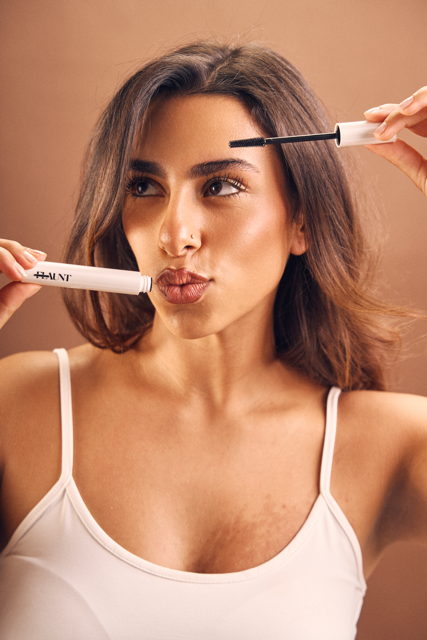
In a natural beauty routine, the eyes should look awake and defined, not "done." The Gulf autumn light is softer than the harsh summer sun, allowing for a bit more depth without looking overly dramatic.
The Art of the Soft Definition
To achieve a natural look, avoid harsh lines. Instead of traditional heavy liners, use an eyeliner stamp to create a precise, minimal flick that lifts the eye without requiring a thick line of product across the lid. This provides the structure of a cat-eye but keeps the overall look airy.
For the lids, lean into "earthy neutrals." Soft taupes, warm sands, and muted terracotta tones mirror the autumn landscape and complement the golden undertones common in the region. Apply these with a fluffy brush to ensure there are no harsh edges.
Brow Architecture
Natural brows are the anchor of a minimal look. Instead of filling them in completely, use a clear or tinted brow gel to lift the hairs upward. This creates an open, youthful expression. If gaps need filling, use a fine-tipped pencil to draw individual hair-like strokes rather than a solid block of color.
Key Takeaway: Use an eyeliner stamp for precise, minimal lift and earthy neutral tones to align with the softer autumn light.
The Flush: Mimicking Natural Vitality
Autumn in the Gulf is the perfect time to transition from the bright corals of summer to more sophisticated, muted tones. The goal is to look as though you have just stepped in from a cool breeze.
Choosing the Right Hue
For a natural look, the blush should mimic a natural flush.
- Fair to Medium skin: Soft peaches and dusty roses.
- Olive to Tan skin: Warm apricots and muted berries.
- Deep skin: Rich terracottas and deep plums.
Texture Selection
Cream blushes are superior for the autumn transition. They melt into the skin and provide a luminosity that powder cannot replicate. Because the Gulf remains humid, cream formulas often blend more seamlessly and look less "sitting on top" of the skin.
Apply the blush slightly higher on the cheekbones than usual. This creates a lifting effect that complements the "natural" aesthetic and keeps the face looking fresh.
Key Takeaway: Switch to cream-based blushes in muted, earthy tones to create a seamless, healthy glow.
The Lip: Low Maintenance, High Impact
The natural lip look for autumn is about hydration and a hint of color. Heavy matte lipsticks can feel oppressive in the humidity and often crack as the air becomes slightly drier.
The Tinted Approach
Lip tints or tinted balms are the ideal choice. They provide a sheer wash of color that doesn't require a mirror to apply and doesn't leave a heavy residue. A "blotted" effect—where the color is concentrated in the center of the lips and faded toward the edges—looks the most natural.
Color Palette
Move away from neon pinks and toward "your lips but better" shades. Think muted mauves, warm nudes, and sheer cinnamon. These colors feel grounded and sophisticated, fitting the mood of the season.
Key Takeaway: Prioritize tinted balms and blotted application over heavy mattes for a low-maintenance, natural lip.
Common Pitfalls for the Makeup Beginner
Every makeup beginner faces a learning curve when adapting to regional weather. Avoiding these three common errors will immediately elevate the result.
- Over-applying Product: The most common mistake is thinking more product equals more longevity. In the Gulf, more product usually means more sliding. Use the minimum amount required to achieve the effect.
- Ignoring the Neck: When using skin tints or concealers, always blend the product down the jawline. The autumn light is more forgiving, but a visible "mask line" is still the fastest way to ruin a natural look.
- Using the Wrong Tools: Using fingers for everything can lead to streaky application. A damp beauty sponge is the best tool for the Gulf autumn; it presses the product into the skin and removes excess, ensuring the layer remains thin and breathable.
FAQ: Navigating the Gulf Autumn Transition
Q: Will a natural beauty routine last through a humid afternoon? A: Yes, provided you use the "targeted powdering" method. By only powdering the areas that produce oil (T-zone) and using a setting spray, you lock the product in place without losing the natural glow.
Q: How do I stop my beauty routine from looking "cakey" in the humidity? A: The key is layering thin, water-based products. Avoid combining multiple heavy creams. If you use a hydrating primer, use a sheer skin tint rather than a heavy foundation.
Q: Can I still use a bold lip if I want a natural look elsewhere? A: Absolutely. The "natural" aesthetic is about balance. If you choose a bold autumn lip, keep the eyes minimal (just an eyeliner stamp and mascara) and the skin very sheer.
Q: What is the best way to remove these products at the end of a humid day? A: Double cleansing is essential in the Gulf. Use an oil-based cleanser first to break down the humidity-resistant products and SPF, followed by a gentle water-based cleanser to clear the pores.
Elevate Your Autumn Aesthetic
Mastering the Gulf autumn is about working with the environment, not against it. By prioritizing breathable textures, earthy tones, and strategic application, you can create a look that feels effortless and empowering.
Whether you are heading to a business meeting in the city or a weekend gathering in the desert, the right beauty routine should make you feel like the best version of yourself—not a different version.
Ready to refine your look? Explore our collection of lightweight essentials and discover the tools designed for the modern, global beauty enthusiast.